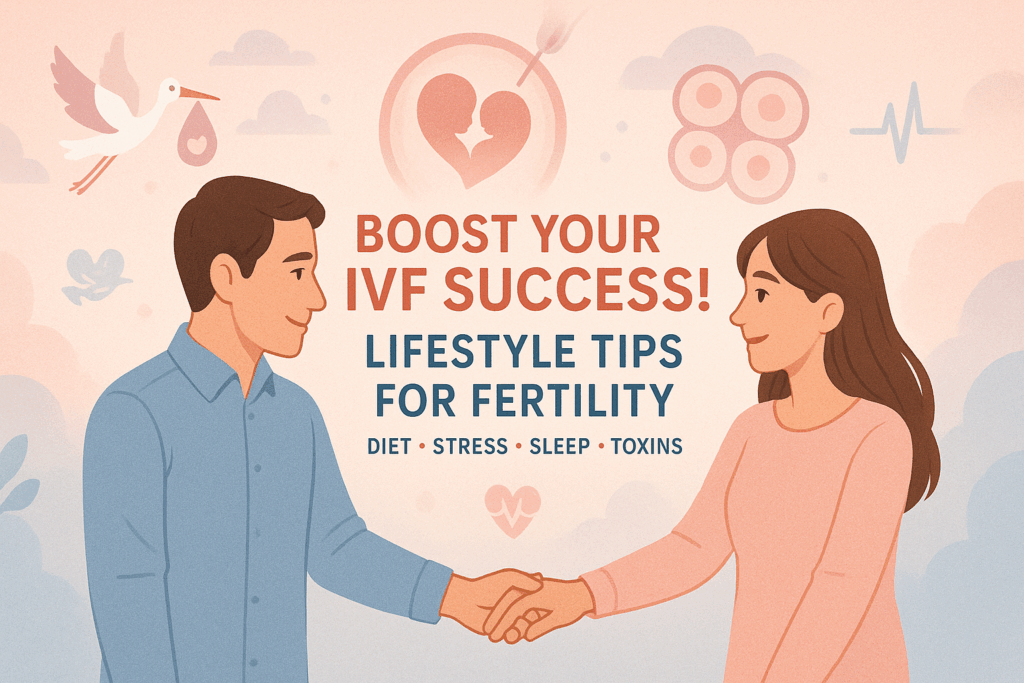
For couples undergoing in vitro fertilization (IVF), lifestyle choices can significantly impact fertility and the success of treatment. Factors such as diet, stress levels, exercise, and environmental exposures play a crucial role in reproductive health. In this blog, we’ll explore how lifestyle affects fertility and provide practical tips to optimize your chances of IVF success.
How Lifestyle Affects Fertility
1. Diet and Nutrition
A balanced diet rich in vitamins, minerals, and antioxidants supports reproductive health. Key nutrients include:
- Folate (leafy greens, beans) – Supports embryo development.
- Omega-3 fatty acids (salmon, walnuts) – Improve egg and sperm quality.
- Zinc and selenium (nuts, seeds, lean meats) – Boost sperm motility.
- Vitamin D (sunlight, fortified foods) – Linked to better IVF outcomes.
🚫 Avoid: Processed foods, excessive caffeine, and alcohol, which may reduce fertility.
2. Stress Management
Chronic stress can disrupt hormonal balance, affecting ovulation and sperm production. Techniques to manage stress:
- Mindfulness & meditation
- Yoga or gentle exercise
- Counseling or support groups
3. Exercise Moderately
While regular physical activity is beneficial, excessive exercise can negatively impact fertility. Aim for:
- 30 minutes of moderate exercise (walking, swimming) daily.
- Avoid high-intensity workouts that may disrupt menstrual cycles.
4. Maintain a Healthy Weight
Being underweight or overweight can affect hormone levels and ovulation.
- BMI between 18.5–24.9 is ideal for fertility.
- Consult a nutritionist for a personalized plan.
5. Avoid Toxins and Smoking
- Smoking reduces egg and sperm quality.
- Environmental toxins (pesticides, BPA in plastics) may harm fertility.
- Opt for organic foods and BPA-free containers.
6. Sleep and Fertility
Poor sleep disrupts melatonin and reproductive hormones.
- Aim for 7–9 hours of quality sleep.
- Maintain a consistent sleep schedule.
IVF-Specific Lifestyle Tips
Before IVF:
✔ Take prenatal vitamins (folic acid, CoQ10 for egg quality).
✔ Stay hydrated to support uterine lining.
✔ Limit alcohol and caffeine (studies suggest >200mg/day may lower success rates).
During IVF Cycle:
✔ Follow your clinic’s medication protocol strictly.
✔ Avoid heavy lifting and intense workouts to prevent ovarian torsion.
✔ Practice relaxation techniques to reduce stress.
After Embryo Transfer:
✔ Light activity only (avoid bed rest but no strenuous exercise).
✔ Eat nourishing foods (fiber-rich to prevent constipation from progesterone).
✔ Stay positive – stress does not cause miscarriage, but emotional well-being matters.
Conclusion
Lifestyle choices directly influence IVF success rates. By adopting a fertility-friendly diet, managing stress, avoiding toxins, and maintaining a healthy weight, couples can improve their chances of a successful pregnancy.