
Introduction
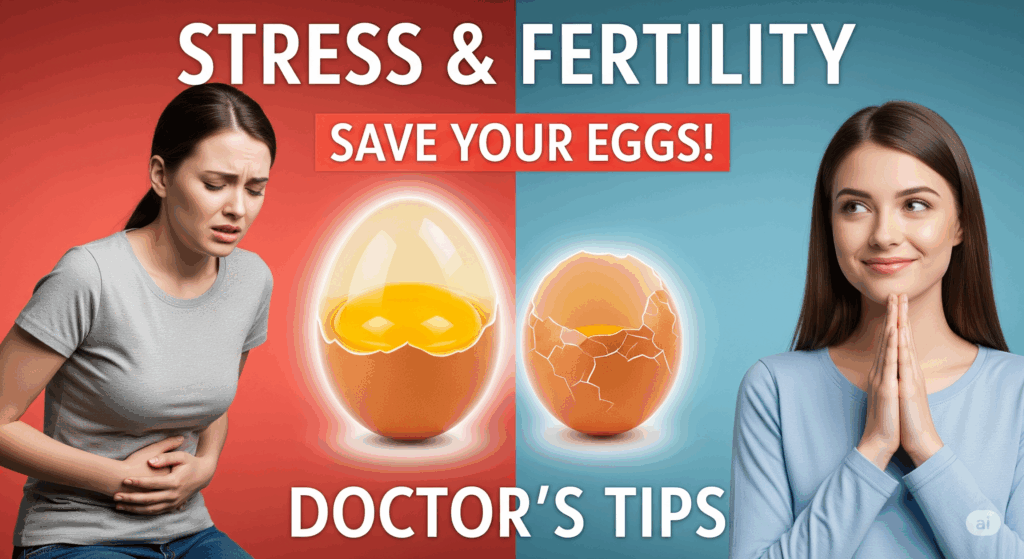
Infertility is a growing concern for many women, and egg quality plays a crucial role in conception. While factors like age, genetics, and lifestyle are well-known contributors to egg health, stress is often overlooked. Chronic stress can negatively impact reproductive health, including egg quality, hormone balance, and ovulation.
This comprehensive guide explores:
- The connection between stress and egg quality
- Scientific evidence on how stress affects fertility
- Practical strategies to manage stress and improve egg health
By the end of this article, you’ll understand how to reduce stress for better fertility outcomes.
Table of Contents
- Understanding Egg Quality and Its Importance
- What Is Egg Quality?
- Why Does Egg Quality Matter for Fertility?
- The Science Behind Stress and Egg Quality
- How Stress Affects the Body
- The Role of Cortisol in Fertility
- Oxidative Stress and Egg Damage
- Signs That Stress Is Affecting Your Egg Quality
- Hormonal Imbalances
- Irregular Menstrual Cycles
- Poor IVF Outcomes
- How to Manage Stress for Better Egg Quality
- Mind-Body Techniques (Meditation, Yoga, Breathing Exercises)
- Diet and Nutrition (Foods That Reduce Stress and Boost Fertility)
- Lifestyle Changes (Sleep, Exercise, Reducing Toxins)
- Supplements for Stress and Egg Health
- When to Seek Professional Help
- Fertility Specialists and Stress Management Therapists
- Success Stories: Women Who Improved Egg Quality by Reducing Stress
- Conclusion: Key Takeaways and Action Steps
1. Understanding Egg Quality and Its Importance
What Is Egg Quality?
Egg quality refers to the genetic and cellular health of a woman’s eggs. High-quality eggs have the correct number of chromosomes and are more likely to fertilize and develop into a healthy embryo. Poor egg quality can lead to:
- Difficulty conceiving
- Higher miscarriage rates
- Chromosomal abnormalities (e.g., Down syndrome)
Why Does Egg Quality Matter for Fertility?
As women age, egg quality naturally declines, but external factors like stress can accelerate this process. Since eggs cannot regenerate, protecting their quality is essential for fertility.
2. The Science Behind Stress and Egg Quality
How Stress Affects the Body
Stress triggers the release of cortisol, the body’s primary stress hormone. While short-term stress is manageable, chronic stress leads to:
- Hormonal imbalances (disrupting estrogen and progesterone)
- Reduced blood flow to the ovaries (affecting egg maturation)
- Increased inflammation and oxidative stress (damaging egg DNA)
The Role of Cortisol in Fertility
High cortisol levels can:
- Suppress GnRH (gonadotropin-releasing hormone), which regulates ovulation
- Lower progesterone, crucial for implantation
- Disrupt FSH and LH, essential for follicle development
Oxidative Stress and Egg Damage
Oxidative stress occurs when free radicals overwhelm the body’s antioxidants, damaging cells, including eggs. Stress increases oxidative stress, leading to:
- Poor egg maturation
- DNA fragmentation in eggs
- Lower embryo quality
3. Signs That Stress Is Affecting Your Egg Quality
If you’re experiencing these symptoms, stress may be harming your fertility:
- Irregular periods (due to hormonal imbalances)
- Anovulation (missing ovulation)
- Low AMH levels (suggesting diminished ovarian reserve)
- Failed IVF cycles (despite good embryo grading)
4. How to Manage Stress for Better Egg Quality
Mind-Body Techniques
- Meditation – Reduces cortisol and improves hormonal balance.
- Yoga – Enhances blood flow to reproductive organs.
- Breathing Exercises – Activates the parasympathetic nervous system (rest-and-digest mode).
Diet and Nutrition
- Omega-3 Fatty Acids (salmon, flaxseeds) – Reduce inflammation.
- Antioxidant-Rich Foods (berries, dark leafy greens) – Combat oxidative stress.
- Magnesium (nuts, spinach) – Lowers cortisol and supports relaxation.
Lifestyle Changes
- Prioritize Sleep – Aim for 7-9 hours to regulate reproductive hormones.
- Moderate Exercise – Excessive workouts increase cortisol; opt for walking, swimming, or Pilates.
- Reduce Toxin Exposure – Avoid BPA, pesticides, and smoking, which harm egg quality.
Supplements for Stress and Egg Health
- CoQ10 – Boosts mitochondrial function in eggs.
- Vitamin D – Supports hormone balance.
- Ashwagandha – An adaptogen that lowers cortisol.
5. When to Seek Professional Help
If lifestyle changes aren’t enough, consider:
- Fertility specialists (for hormone testing and IVF guidance)
- Therapists or counselors (for chronic stress or anxiety)
- Acupuncture (shown to improve blood flow to ovaries)
6. Success Stories
Many women have improved egg quality by managing stress:
- Sarah, 35 – After 3 failed IVF cycles, she started meditation and acupuncture. Her next retrieval yielded 5 high-quality embryos.
- Jessica, 38 – Reduced work stress and took CoQ10, leading to a natural pregnancy after 2 years of trying.
7. Conclusion: Key Takeaways
- Chronic stress harms egg quality by increasing cortisol and oxidative stress.
- Mind-body practices, diet, and supplements can counteract these effects.
- Seek professional help if stress is severely impacting fertility.
Action Steps
- Start a daily meditation practice (even 10 minutes helps).
- Eat antioxidant-rich foods to protect eggs.
- Prioritize sleep and reduce toxins.
- Consult a specialist if struggling with conception.
By managing stress, you can improve egg quality and increase your chances of a healthy pregnancy.